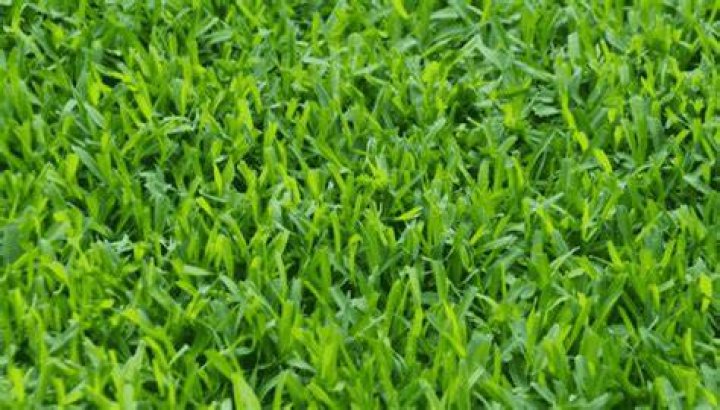
grama

Grama Grass: The Complete Guide to Bouteloua and Its Botanical Significance
Grama, a Latin term meaning “grass,” is far more than a simple word for vegetation. In botanical contexts, it specifically refers to the genus Bouteloua, a group of approximately 50 species of annual or perennial grasses in the Poaceae family. These remarkable plants are primarily native to North America and are highly valued as a nutritious forage for livestock. Beyond their ecological role, understanding grama grass opens doors to insights into prairie ecosystems, sustainable agriculture, and even lesser-known uses of the term in other fields.
Whether you are a gardener, farmer, botanist, or simply curious about native North American flora, this guide explores everything you need to know about grama. From its classification and characteristics to practical uses and care tips, discover why Bouteloua grasses remain essential in modern landscapes and conservation efforts.
Botanical Classification of Grama Grass
Grama belongs to the Poaceae family, one of the largest plant families on Earth, with over 12,000 species worldwide. The Bouteloua genus is distinguished by its adaptability, resilience, and specialized growth patterns.
Key Features of Bouteloua Species
- Growth Habit: Most species are either annual (completing their life cycle in one season) or perennial (living for multiple years), allowing them to thrive in varying environmental conditions.
- Native Distribution: Predominantly found across North America, including regions from the Great Plains to arid southwestern deserts.
- Ecological Role: These grasses play a critical part in maintaining prairie and grassland biodiversity, providing food and shelter for wildlife while preventing soil erosion.
The term “grama” originates from Latin, where it directly translates to “grass,” reflecting its foundational role in many natural and managed landscapes.
Types and Species of Grama Grass
While exact counts vary by classification, the Bouteloua genus encompasses around 50 species, each adapted to specific habitats. Common varieties include those that form dense tufts or spread via rhizomes, creating resilient ground cover.
Notable Characteristics
- Forage Quality: Many species are prized for their high nutritional value, making them a staple in ranching and livestock management.
- Seed Dispersal: Grasses in this genus often produce lightweight seeds that are easily carried by wind, aiding natural colonization.
- Diversity: Species range from short, drought-tolerant types to taller perennials that support mixed grazing systems.
Popular examples like blue grama and hairy grama exemplify the genus’s versatility, offering both aesthetic appeal in native plantings and practical benefits in farming.
Ecological and Environmental Benefits of Grama
Grama grass contributes significantly to ecosystem health. Its deep root systems help stabilize soil, reduce erosion, and improve water retention in dry areas. In native prairies, these grasses support pollinators, small mammals, and birds by providing seasonal forage and habitat.
Practical Advantages
- Livestock Support: Bouteloua species are excellent for grazing, offering balanced nutrition with lower maintenance than many introduced forage crops.
- Sustainability: Their ability to grow in poor soils makes them ideal for restoration projects and low-input agriculture.
- Biodiversity Enhancement: Planting grama can enhance habitat diversity, supporting insects and small herbivores in both wild and managed settings.
These qualities make grama an excellent choice for eco-friendly landscaping and conservation initiatives across North America.
Uses of Grama Grass in Agriculture and Landscaping
Beyond their natural forage value, grama grasses serve multiple human needs. In agriculture, they are used to feed cattle, sheep, and other livestock, often in rotational grazing systems that promote healthy pastures. Their drought tolerance also makes them suitable for regions facing climate challenges.
Landscaping and Restoration Applications
- Native Gardens: Grama is popular in xeriscaping and pollinator-friendly designs due to its low water requirements and attractive seed heads.
- Erosion Control: Dense stands help prevent soil loss on slopes and disturbed lands.
- Wildlife Habitat: Many homeowners and municipalities incorporate Bouteloua species into wildlife corridors and meadow restorations.
In addition to these uses, the term “grama” occasionally appears in other contexts, such as a governance research initiative (GRAMA), a village-based product line, or a municipality in Brazil. However, its primary and most widespread meaning remains tied to the prairie grasses of the Bouteloua genus.
How to Grow and Care for Grama Grass
Growing grama is straightforward, especially for those interested in native or low-maintenance plantings. These grasses require minimal water once established and adapt well to various soil types.
Planting and Maintenance Tips
- Soil Preparation: Choose well-drained soils; amend heavy clay if necessary for better root development.
- Climate Suitability: Most species thrive in temperate to arid climates with full sun exposure.
- Seeding: Sow seeds directly in spring or fall. The lightweight seeds disperse easily, so broadcast or drill them into prepared soil.
- Watering: Water young plants regularly during establishment, then reduce frequency as they become drought-resistant.
- Maintenance: Grama requires little mowing or fertilizing. Remove dead foliage in late winter to encourage new growth in spring.
With proper care, grama can become a long-lasting feature of your garden or farm, providing both beauty and utility for years.
Common Varieties and Identification
Identifying grama species involves looking at leaf structure, seed heads, and growth form. Most varieties produce distinctive one-sided seed heads that resemble small spikes or fingers. Blue grama (Bouteloua gracilis) is a favorite for its silvery-blue foliage and drought tolerance, while other species offer varied colors and textures suited to different garden styles.
Conclusion: Why Grama Matters Today
Grama, the Latin term for grass and the name of the Bouteloua genus, represents more than a botanical curiosity. These approximately 50 North American species are vital for livestock forage, ecological restoration, and sustainable landscaping. Whether you are managing a ranch, designing a native garden, or simply exploring prairie flora, understanding grama opens doors to healthier ecosystems and more resilient landscapes.
Start incorporating Bouteloua grasses into your property for their beauty, utility, and environmental benefits. With their low-maintenance nature and proven track record in North American habitats, grama is a timeless choice for anyone seeking harmony between nature and human needs.
Frequently Asked Questions About Grama
What does “grama” mean?
Grama is a Latin word meaning “grass” and most commonly refers to the genus Bouteloua of prairie grasses.
How many species are in the Bouteloua genus?
The genus includes approximately 50 species, primarily native to North America.
Are grama grasses suitable for livestock?
Yes, they are highly valued as nutritious forage for cattle, sheep, and other animals.
Can grama grass be grown in gardens?
Absolutely. Many species are low-maintenance, drought-tolerant, and ideal for native plantings and erosion control.
What are the main benefits of growing grama?
Benefits include excellent forage quality, soil stabilization, wildlife habitat support, and minimal water requirements.
Keywords: grama grass, bouteloua, prairie grass, grama species, bouteloua genus, native grass forage, grama meaning, bouteloua botany